
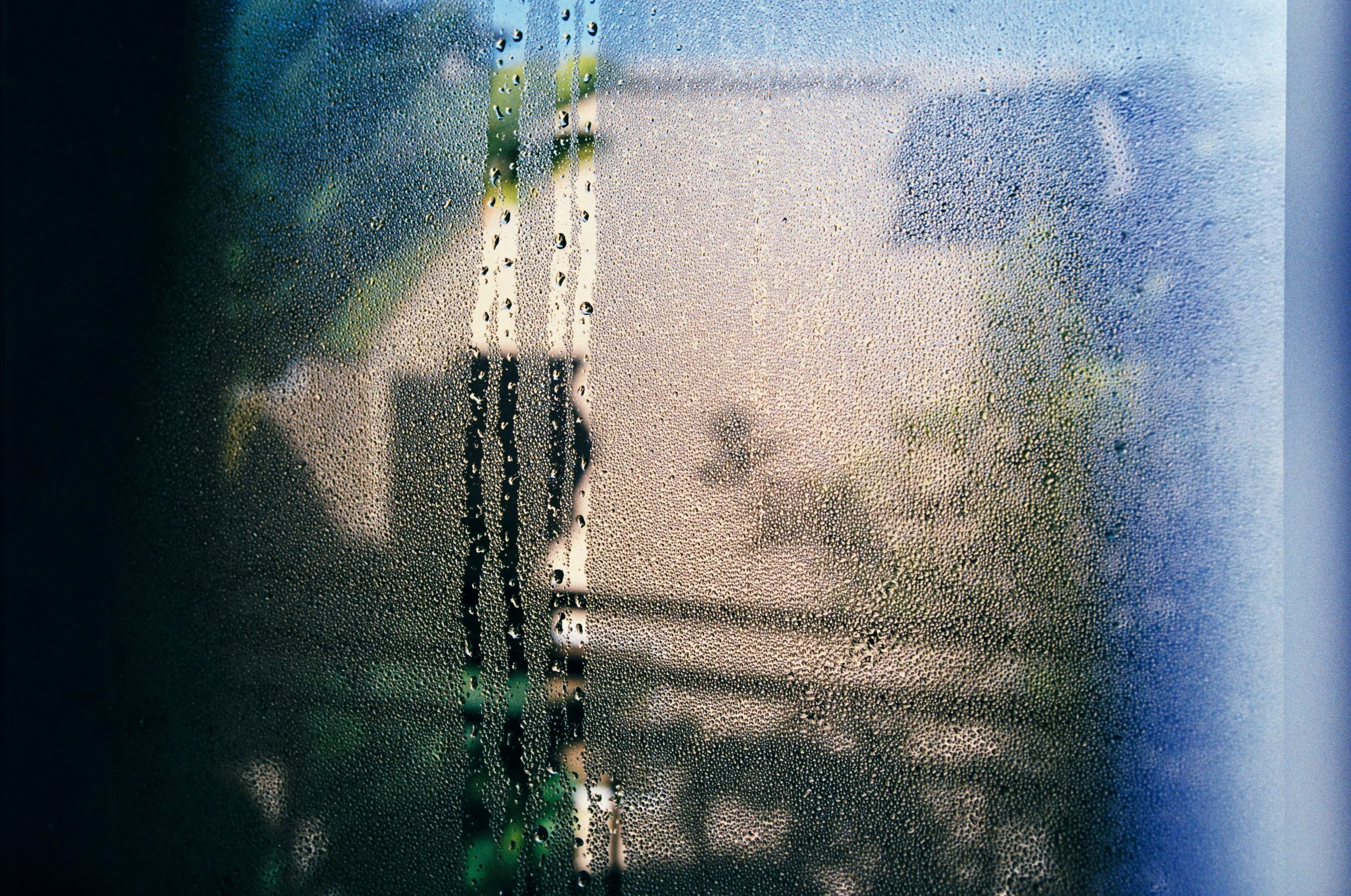
Why Your Campervan Windscreen Gets So Wet
The windscreen is almost always the worst area for condensation.
That’s because glass has very little insulation value, meaning it loses heat much faster than insulated walls or ceilings.
When warm air inside the van touches the cold glass, the temperature drops quickly and condensation forms.
This is why many van owners wake up to heavy condensation or even water running down the windscreen while other surfaces remain relatively dry.
Common Sources of Moisture Inside a Campervan
Moisture builds up inside vans faster than most people realise.
Typical sources include:
Breathing while sleeping
Cooking or boiling water
Wet clothes and outdoor gear
Dogs and damp towels
Rain brought in on shoes or jackets
Drying kit inside the van
Even well-built campers will experience condensation if that moisture cannot escape.
How to Reduce Condensation in a Campervan
There isn’t one single solution. The most effective way to manage condensation is by combining ventilation, moisture control, and insulation.
Here are the methods experienced van owners rely on.
1. Improve Ventilation
Ventilation is the most important factor in reducing condensation.
Allowing moist air to escape prevents it from settling on cold surfaces.
Simple steps include:
Opening a roof vent slightly overnight
Cracking a window for airflow
Using built-in ventilation systems if your van has them
Even in winter, a small amount of airflow can significantly reduce condensation.
2. Reduce Moisture Where Possible
Small habits can dramatically reduce the amount of moisture inside your van.
Try to:
Avoid drying wet gear inside when possible
Wipe down wet dogs or jackets before bringing them in
Use lids when cooking
Ventilate when boiling water
Reducing the amount of moisture in the air means less condensation can form.
3. Add Thermal Insulation
Condensation forms when warm air meets cold surfaces.
Reducing that temperature difference makes a big impact.
Thermal insulation helps keep interior surfaces warmer, which means moisture is less likely to turn into water droplets.
This is why insulating large glass areas — particularly the windscreen — can make such a noticeable difference.
Do External Thermal Screen Covers Reduce Condensation?
Yes — and they are one of the most effective ways to reduce condensation around the windscreen area.
External screen covers work differently from internal blinds because they sit outside the glass.
This allows them to:
Reduce heat loss through the windscreen
Keep the interior glass temperature warmer
Prevent cold air hitting the glass directly
Significantly reduce overnight condensation
They also add a layer of insulation that helps keep the van warmer in winter and cooler in summer.
Why External Screens Work Better Than Internal Ones
Internal screens trap warm air against cold glass.
This can actually increase condensation because the warm air cools rapidly against the glass surface.
External covers, on the other hand, insulate the glass from the outside, keeping the interior surface much closer to the cabin temperature.
The result is far less condensation forming overnight.
The Kudu Approach to Thermal Screen Covers
At Kudu, we designed our external screen covers to solve the problems many van owners experience with cheaper alternatives.
Our covers use a three-layer thermal system that creates a powerful barrier between the cold exterior and the warm interior of your van.
This layered construction helps to:
Reduce heat loss through the windscreen
Limit condensation forming on the glass
Improve overnight comfort in colder conditions
The result is a warmer, drier windscreen area when you wake up, and a far more comfortable van interior overall.
The Bottom Line
Condensation in campervans and motorhomes is unavoidable to some degree. It’s simply the result of warm air, moisture, and cold surfaces.
However, by combining:
Good ventilation
Moisture control
Proper insulation
you can reduce condensation dramatically.
Many experienced van owners find that adding an external thermal screen cover is one of the most effective upgrades for improving comfort during colder months.
Explore the Kudu External Thermal Screen Cover
Designed to reduce condensation, improve insulation, and make your van more comfortable in all seasons.
-
The best approach is combining ventilation, reducing moisture sources, and insulating cold surfaces like the windscreen with external thermal covers.
-
The windscreen is usually the coldest surface in the van. When warm moist air touches the cold glass, condensation forms rapidly.
-
They help reduce it significantly by insulating the windscreen and keeping the interior glass warmer.
-
External screens are more effective because they insulate the glass from the outside rather than trapping warm air against it.
How to Stop Condensation in Campervans & Motorhomes
Condensation is one of the most common frustrations for campervan and motorhome owners.
If you've ever woken up to a dripping windscreen, damp curtains, or moisture running down the inside of your van, you're not alone.
The good news is that condensation is completely normal — and with the right approach it can be reduced dramatically.
Understanding why condensation happens is the first step to keeping your van warmer, drier, and more comfortable all year round.
Why Condensation Happens in Campervans
Condensation forms when warm, moisture-laden air hits a cold surface.
When that warm air cools rapidly, the moisture in the air turns into water droplets.
Campervans and motorhomes are particularly prone to this because they are:
Small enclosed spaces
Surrounded by metal and glass
Poorly insulated compared to houses
Often occupied overnight by people breathing and cooking
In fact, two people sleeping inside a campervan can release up to a litre of moisture overnight just through breathing.
All that moisture has to go somewhere — and it usually ends up on the coldest surfaces in the van.