Short vs Long Screen Covers: Why Less is Actually More for Your Fiat Ducato
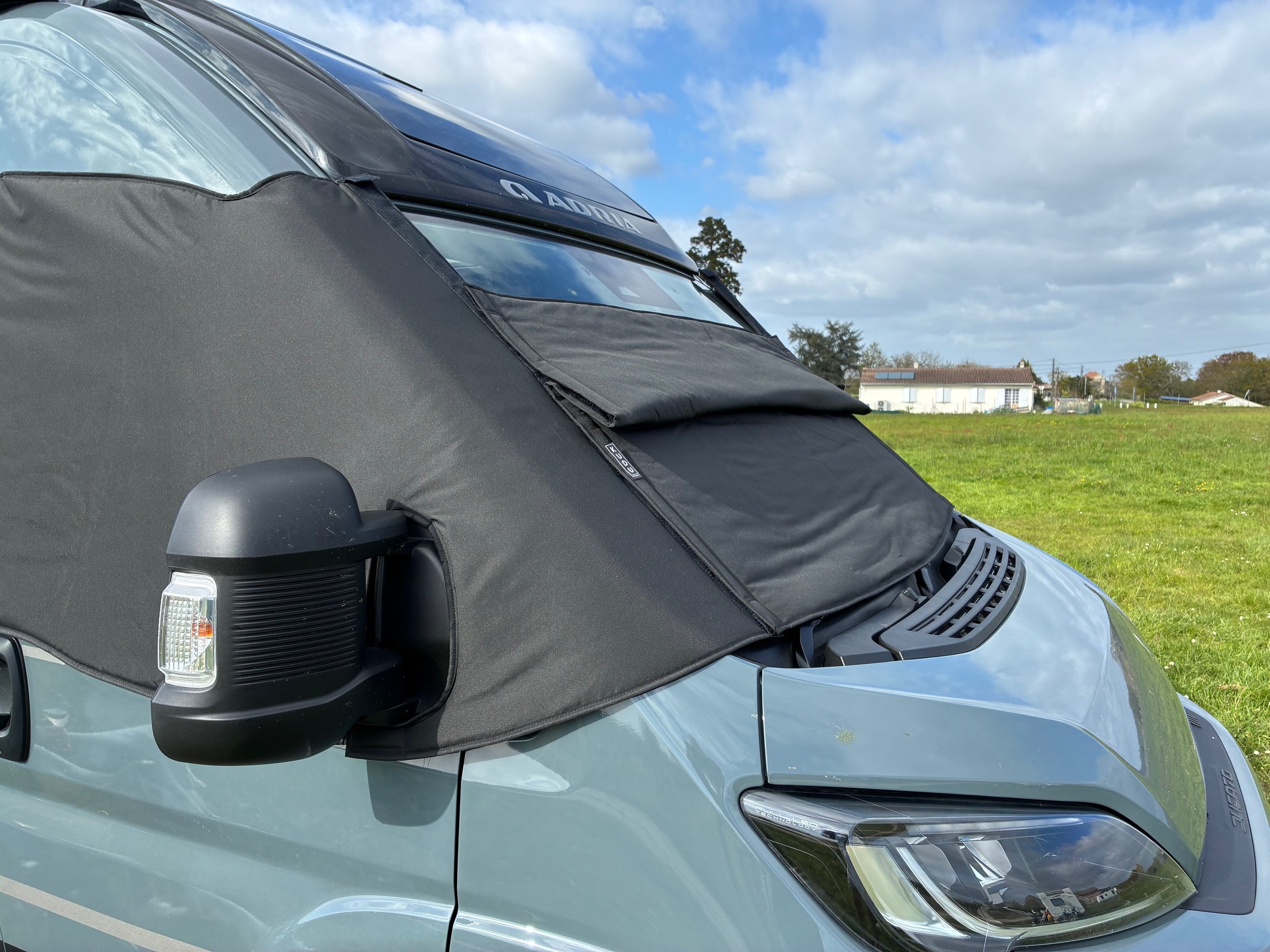
If you own a Fiat Ducato, Peugeot Boxer, or Citroën Relay, you’ll probably already know they make up the significant portion of the motorhome and campervan market. But when the temperature drops, that massive expanse of glass becomes a literal heat sink. The solution is simple: External Thermal Screen Covers.
However, as you browse the market, you’ll notice a divide in design. Some brands offer "extra-long" versions that drape down over the bonnet to cover the scuttle (the plastic intake area at the base of the windscreen, as shown in the image above).
At first glance, more fabric seems like more protection. But if you’re looking for efficiency, longevity, and ease of use, the Standard Fit (Shorter) Cover is actually the superior choice.
Here is why we’ve doubled down on the shorter design at Kudu:
1. The Physics of the "Draft"
The most common argument for a long cover is to "stop the wind" from entering the scuttle. But here’s the thing: wind doesn’t blow vertically. Air mostly moves horizontally across your van. If you drive at 60mph and open the vents, you don’t get 60mph of air coming out of the vents!
The scuttle is a recessed "well"; for air to cause a draft while you’re parked, it has to be forced down into that cavity and through the cabin filter. In order to do this, it needs to be turbulent. So in gusty conditions, or when wind is strong and there are obstacles to create that turbulence, a small amount of air can make it to your vents.
But rather than a longer screen cover that covers the scuttle, there is a much simpler, free solution:
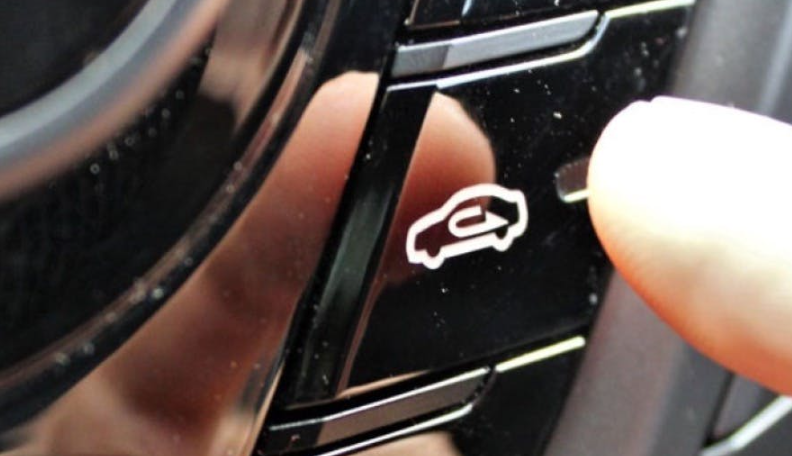
Pro Tip:
To 100% seal your cabin vents from outside air, simply set your dashboard vents to "Recirculation" before you turn off the engine. This closes the internal mechanical flap, making a long, cumbersome bonnet cover redundant.
2. Protecting Your Paintwork
Vanners spend a lot of time (and money) keeping their paintwork pristine. The more fabric you have touching the metal of your bonnet, the higher the risk of abrasion.
The Grit Factor: Dust and grit naturally settle on your van. When a long cover sits on the bonnet, wind causes the fabric to vibrate. This creates a "sandpaper effect" against your paint. The less fabric in contact with your paint, the better
No Straps Needed: Longer covers sometimes require extra straps or magnets to stop them from flapping in high winds. Our shorter covers stay tensioned against the glass, or can be tucked under the wipers, keeping the fabric away from the delicate paint on the nose of the van.
3. Thermal Efficiency
Thermal covers work by trapping a layer of air against the glass, which is the thinnest and least insulated part of your vehicle. The scuttle area is made of heavy-duty plastic and sits in front of a thick firewall and cabin filter.
In real-world testing, the thermal difference between covering the scuttle and leaving it exposed is negligible.
4. Life is Easier with Less Bulk
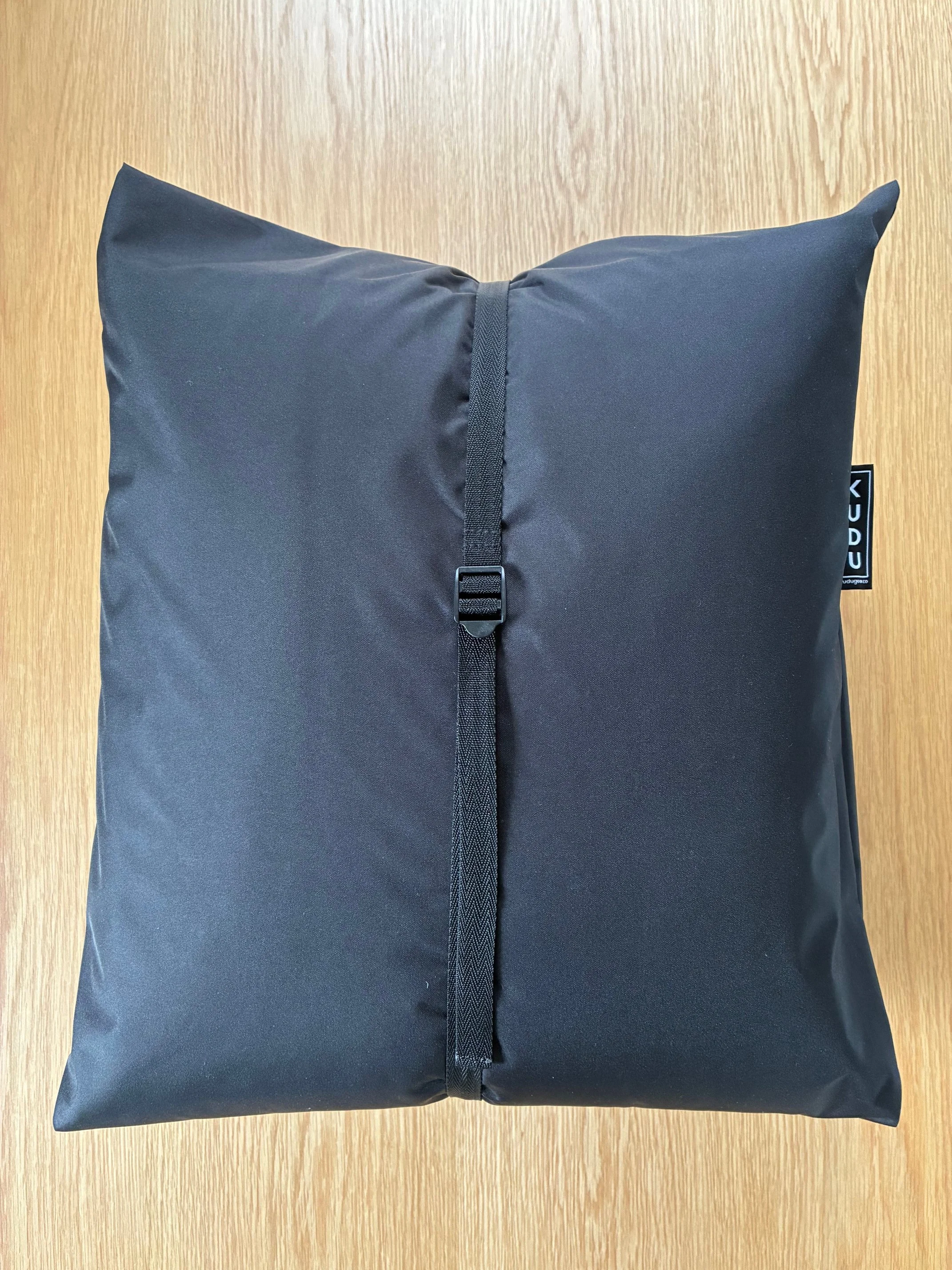
Van life is a game of Tetris. Space is at a premium, and your gear needs to be "user-friendly."
Easier Storage: A shorter cover folds down smaller, fitting into tighter cupboards or under-seat storage.
Easier Fitting: You can throw a shorter cover on in seconds without wrestling with the bonnet line or reaching over the front grill.
5. Hunting the "Ghost Draft": Other Ducato Cold Spots
If you’ve fitted your screen cover and closed your vents, but you’re still feeling a phantom breeze, don’t blame the scuttle! The Ducato/Boxer/Relay chassis has a few notorious "hotspots" (or rather, coldspots) where air likes to sneak in:
The Door Pockets: Many owners are shocked to find a gale-force wind coming through the plastic door cards. There are often unsealed drainage or access holes inside the door shell.
The Handbrake Slot: This is a classic "ankle-freezer." The gap where the handbrake lever meets the floor is a direct line to the underside of the van.
The Step Wells: The large plastic steps in the cab are often just a thin layer of plastic between you and the road. Adding a small piece of dedicated insulation under your floor mat here makes a massive difference.
The Seat Belt Anchors: On some models, air can travel up through the B-pillar and exit right by your ear through the seatbelt height adjuster.
The Verdict
Why pay more for extra fabric that adds bulk, risks your paintwork, and offers no real-world thermal gain?
By choosing our Standard Fit Thermal Cover, you’re choosing a product that is easier to store, faster to fit, and kinder to your van. Flip that recirculation switch to "on," snug up your screen, and enjoy a condensation-free morning without the extra baggage.