5 Essential Upgrades for Your First Winter Motorhome Trip
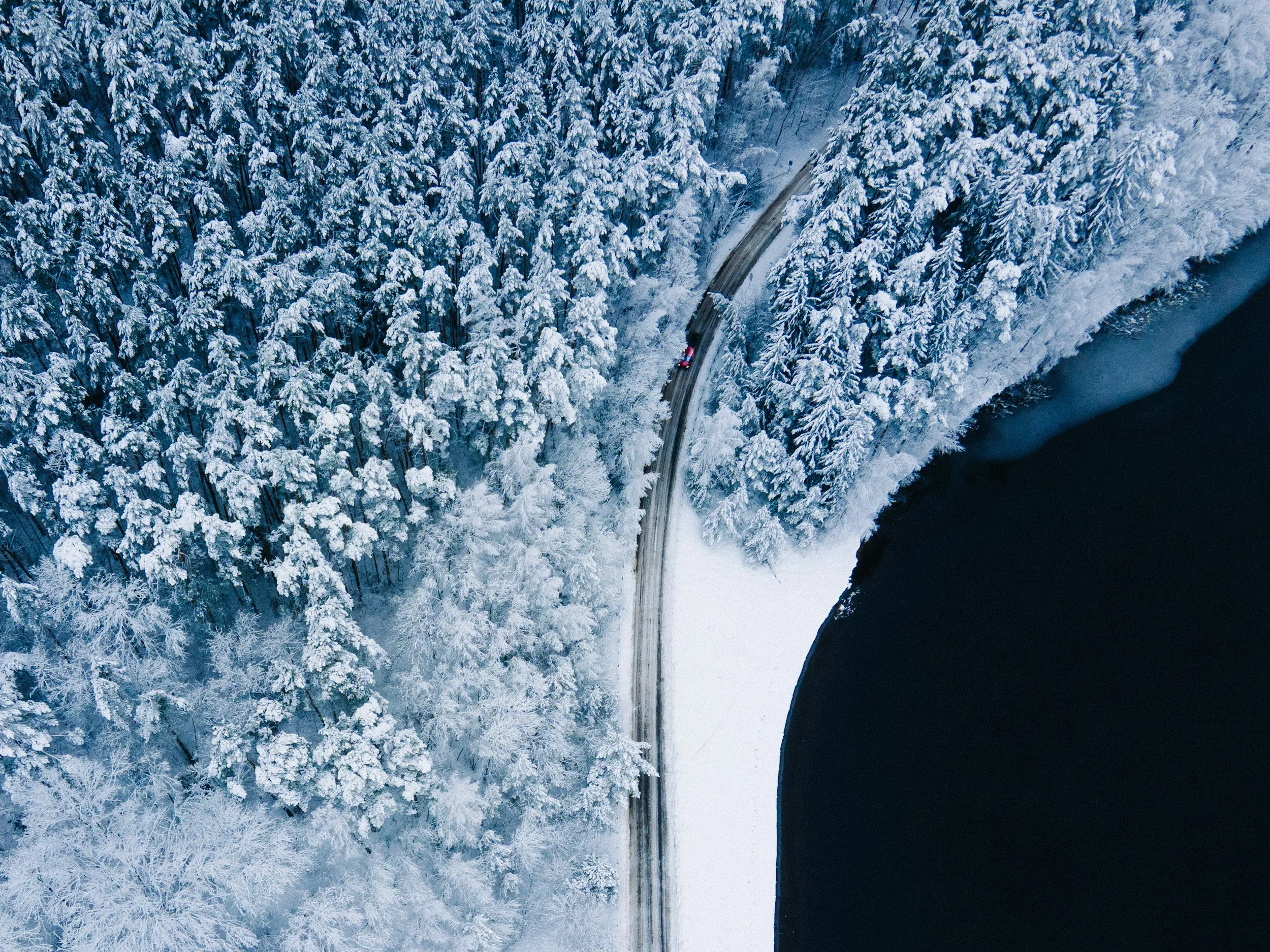
There is something uniquely peaceful about winter touring in the UK—the crowds have thinned, the air is crisp, and waking up to a frost-covered landscape is a highlight of the "van life" experience.
However, a British winter can be unforgiving. Between the plummeting temperatures and the relentless damp, your motorhome needs to be more than just a vehicle; it needs to be a fortress. If you are planning your first cold-weather adventure, here are five essential upgrades to ensure your trip is cosy rather than shivering.
1. Reliable Off-Grid Heating
While most modern motorhomes come with built-in heating, relying solely on electric hook-up (EHU) can limit your freedom. For true winter flexibility, many owners upgrade to a diesel heater or a refillable LPG system (like Gaslow). These systems are incredibly efficient, allowing you to keep the cabin at a steady 20°C even when the outside temperature is sub-zero, all without worrying about running out of Calor bottles in the middle of the night.
2. External Thermal Screen Covers
The single biggest "thermal hole" in any motorhome is the cab. The vast expanse of glass in your windscreen and side windows is where most of your hard-earned heat escapes.
While many beginners start with internal suction blinds, they quickly find that these don't stop the glass from getting cold. This leads to heavy condensation dripping onto your dashboard. An external thermal screen cover is a game-changer for winter. By insulating from the outside, it keeps the glass warm, effectively "sealing" the cab and preventing condensation from forming in the first place. Plus, it acts as a thick duvet for your van, keeping the heat exactly where you want it—inside.
3. Insulated Water Tanks and Pipe Lagging
Nothing ruins a winter morning faster than a frozen water system. If your motorhome has an external waste water tank, it is prone to freezing solid.
The Upgrade: Fit 12V tank heater pads or simply wrap your external pipes in foam "lagging" from a DIY shop.
The Pro-Tip: Some winter travellers leave their waste tap open with a bucket underneath to prevent a frozen block from forming inside the tank.
4. All-Season Tyres and Traction Mats
The UK is famous for its "soft" winter ground. A grassy pitch that looked fine at 4 PM can become a mud bath by 8 AM after a night of rain or sleet. Upgrading to All-Season tyres (marked with the 3PMSF snowflake symbol) provides significantly better grip on slush and ice. Additionally, carrying a pair of heavy-duty traction mats can be the difference between driving off your pitch smoothly and having to ask a tractor for a tow.
5. Moisture Management Tools
In winter, you aren't just fighting the cold; you’re fighting humidity. Two people sleeping in a van can produce litres of moisture overnight just by breathing. Beyond using external screens to stop window damp, consider a low-wattage dehumidifier (if you’re hooked up) or "moisture muncher" crystals. Ensuring your roof vents are slightly cracked—even when it's cold—allows for vital airflow that carries damp air out before it can settle into your soft furnishings, bedding or against the windows.
Summary Checklist:
| Item | Why you need it |
|---|---|
| Gas or Diesel Heating | Cost-effective, consistent heating. Diesel is best |
| Pipe Lagging | Prevents the nightmare of frozen plumbing |
| External Screen Covers | Stops condensation and retains cab heat |
| Traction Mats | Help you getting off muddy winter picthes |
Winter motorhoming is all about preparation. Once you have the right gear to manage the temperature and the moisture, you'll find that some of the best memories are made in the "off-season."