How to Keep Your Campervan or Motorhome Warm at Night
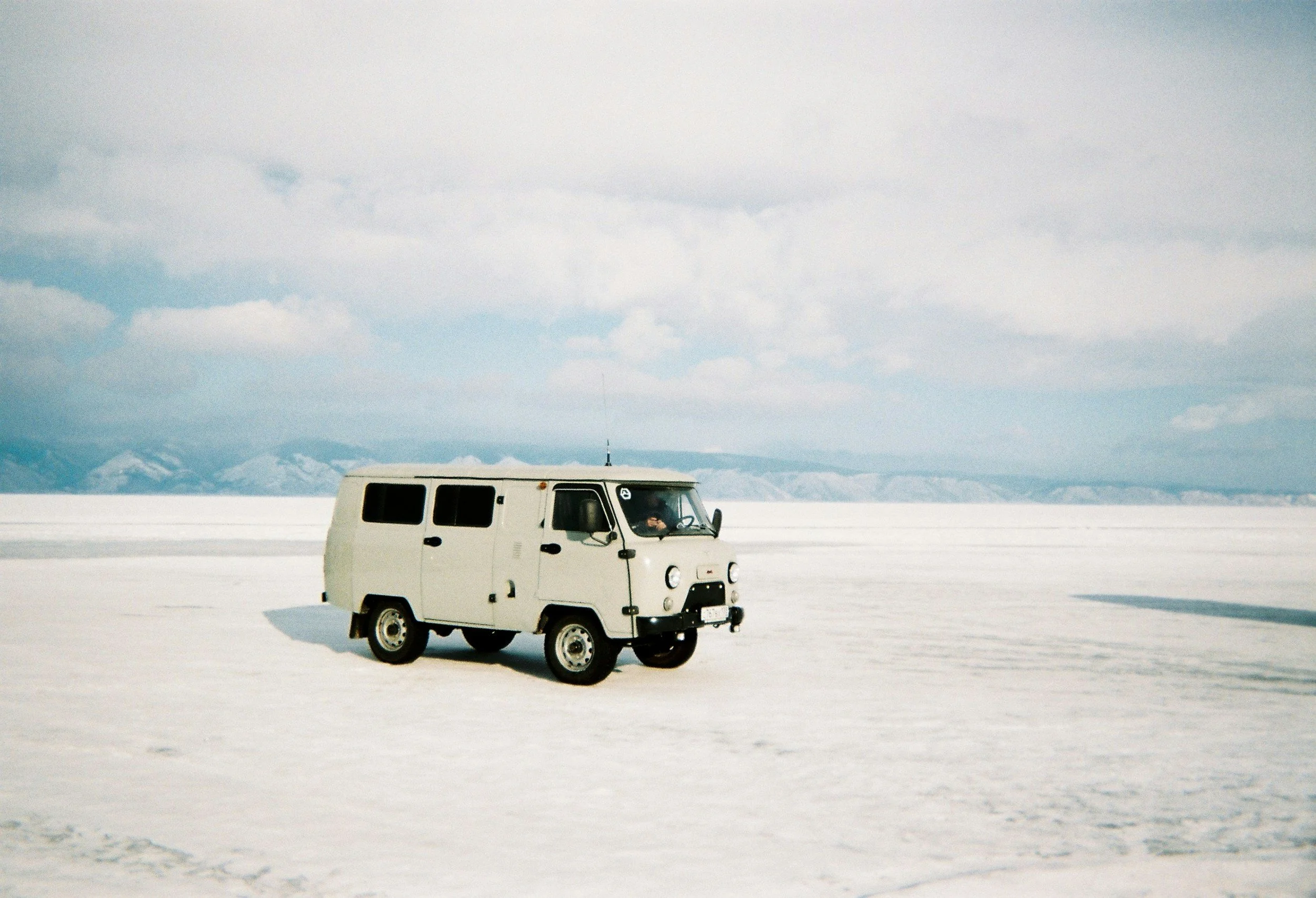
There is a specific kind of "cold" that only van lifers truly understand. It’s the kind where you wake up at 3:00 am, your nose feels like an ice cube, and you’re debating if you actually need the loo enough to leave the sanctuary of your sleeping bag.
If you want to extend your camping season into the autumn "shoulder" months (or brave a proper Highlands winter) you need a strategy. Here is how to turn your van from a rolling refrigerator into a cosy retreat.
The Foundation: Insulation is Everything
Before you think about adding heat, you have to stop the heat you already have from escaping.
Thermal Window Blinds: Windows are essentially holes in your insulation. High-quality, thermal window covers are a great investment. They act as a thermal barrier, reflecting heat inward and keeping the cold off the glass.
The "Floor-Up" Approach: Heat rises, but cold radiates from the floor. Laying down some heavy rugs or custom-cut foam flooring can make a massive difference to the ambient temperature.
Choose the Right Bedding Strategy
Don’t just grab a spare duvet from the airing cupboard and hope for the best.
Wool Blankets - Naturally moisture-wicking and retains heat even if it gets slightly damp from condensation.
Down Quilts - Offers the best warmth-to-weight ratio. Perfect for "tucking in" to eliminate drafts.
Thermal Liners - A silk or fleece sleeping bag liner can add an extra 5-10 degrees of warmth instantly.

Tip: If it’s truly freezing, ditch the thick jumpers. Wear a high-quality merino wool base layer. It regulates body temperature better than cotton and won’t feel "clammy" if you sweat during the night.
Active Heating Solutions
If insulation is the defence, heaters are the offence.
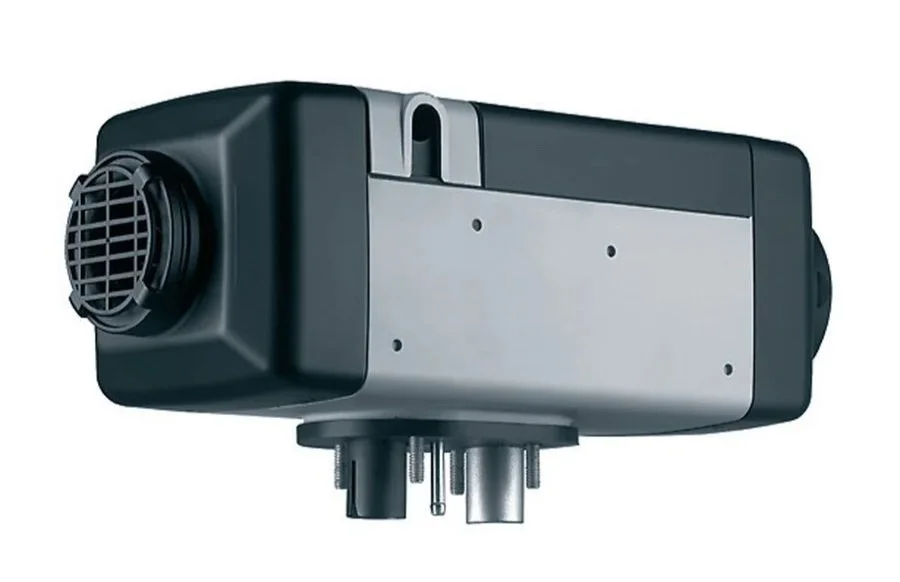
Diesel Heaters: Often called "Chinese Diesel Heaters" or branded ones like Webasto or Autoterm. These are the gold standard for UK van life. They are fuel-efficient, provide dry heat (which helps with damp), and can be set to a thermostat.
12V Electric Blankets: If you have a decent power station (like an EcoFlow, Jackery, of Lithium battery set up), a 12V electric blanket is a game-changer. Instead of heating the whole van, you’re just heating your body, which is far more energy-efficient.
Hot Water Bottles: The "Old School" method still reigns supreme. Slide a hot water bottle into the bottom of your bed 20 minutes before you climb in. It’s simple, effective, and requires zero battery power.
Manage the "Silent Killer": Condensation
One of the biggest mistakes newcomers make is sealing the van completely airtight. Two people sleeping in a van produce a lot of moisture through breathing. Without airflow, that moisture hits cold metal surfaces, turns into "van rain," and makes your bedding damp… and damp equals cold.
Always keep a roof vent cracked. It sounds counterintuitive to let cold air in, but moving that moist air out is essential for staying dry and warm.
5. Safety First: The "Golden Rules"
NEVER use your gas hob for heat: Carbon monoxide poisoning is a very real risk. Hobs are for tea and bacon butties, not for climate control.
Install a CO Detector: No matter what heating system you use, a battery-powered carbon monoxide detector is non-negotiable.
Eat before bed: Your body generates heat while digesting. A high-protein or high-fat snack before hitting the sack gives your internal furnace fuel to burn through the night.

Final Thoughts
Staying warm in a van is all about layers, both on your body and on your build. Start with the basics (insulation and window covers), and then scale up to active heating if you’re planning on chasing the frost this winter.