Why Your Campervan Gets So Cold
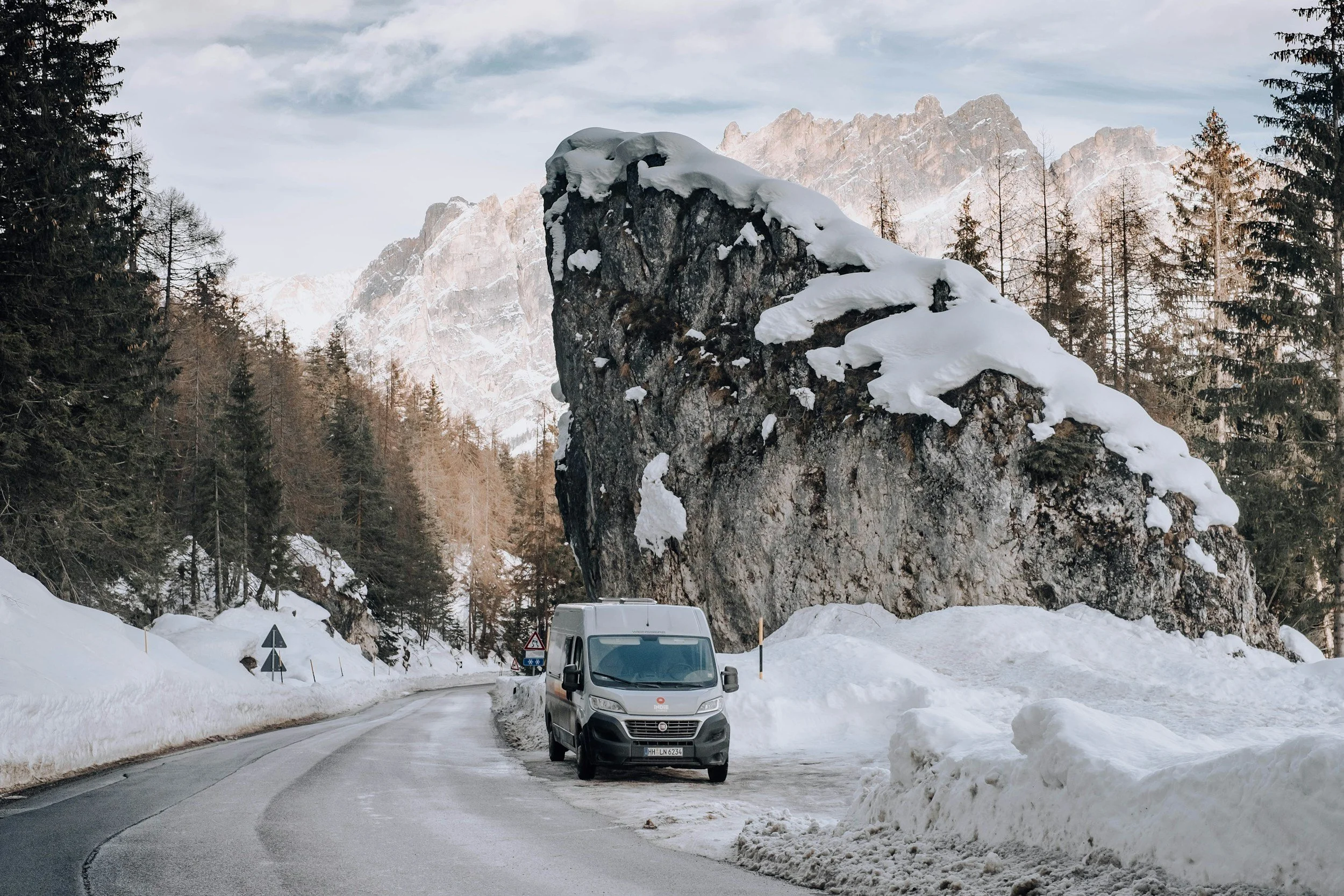
We’ve all been there. You’ve spent a small fortune on your dream van, only to wake up at 2:00 am in the Highlands feeling like you're sleeping in a walk-in freezer.
The truth is, vans are inherently terrible at holding heat. They are giant metal boxes designed to move cargo, not to keep humans warm in a British winter. To fix a cold van, you first have to understand the science of why the heat is leaving in the first place.
The "Metal Box" Effect (Thermal Bridging)
Steel is an incredible conductor of heat. In a van, the metal "ribs" and the bodywork act as a thermal bridge. This means they literally "bridge" the gap between your cosy interior and the freezing outdoors, allowing heat to bypass your insulation and vanish into the night.
The Fix: When insulating, don't just fill the cavities. You need to break the bridge. Covering the exposed metal pillars with carpet lining or a thin layer of closed-cell foam tape can significantly reduce that "radiating cold" feeling from the walls.
The Glass Heat Sink
Standard vehicle glass has an insulation R-value of practically zero. Your windows are essentially massive "holes" in your insulation strategy. Heat hits the cold glass, cools down rapidly, and sinks to the floor, creating a constant cycle of cold air movement.
The Fix: You have two main options here:
Internal Blinds: Great for privacy and "stealth" camping. They trap a layer of air inside the van, and are reasonably effective, although condensation may still be an issue
External Thermal Covers: These are often more effective for serious winter camping because they stop the glass from getting cold in the first place. By keeping the pane warmer, you also drastically reduce or eliminate morning condensation.
Drafts and the "Cab Gap"
The front cab is the least insulated part of any vehicle. Between the pedals, the door seals, and the thin dashboard, cold air finds a dozen ways to get inside.
The Fix:
The Bulkhead Curtain: Hanging a heavy, thermal-lined blackout curtain between the cab and the living area is one of the cheapest and most effective ways to stay warm. It effectively reduces the volume of air you need to heat by about 30%.
Check Your Seals: Over time, rubber door seals perish. Replacing them or adding a secondary "P-seal" can stop those whistling drafts.

Problems and Fixes
| Problem | Root Cause | Best Fix |
|---|---|---|
| Cold Floors | Cold radiating from the chassis | Rugs, carpet, insulated flooring |
| Wet Windows | Warm breath hitting cold glass | External thermal covers |
| Whilstling Air | Perished door or window seals | New rubber seals |
| Rapid Cooling | Thermal bridging (metal ribs) | Carpet lining or insulation over exposed metal |
Humidity and the "Wet Cold"
In the UK, we don't just deal with cold; we deal with damp cold. High humidity makes the air feel much "rawer." If your van is damp (usually from cooking or breathing), your body has to work much harder to stay warm.
The Fix:
Dry Heat: If you're using a portable gas heater (like a "Buddy" heater), you're actually adding moisture to the air. Switching to a vented diesel heater provides "dry" heat, which pulls moisture out of the van.
Ventilation: It sounds counterintuitive, but keeping a roof vent slightly open allows moist air to escape, making the remaining air much easier (and cheaper) to heat.
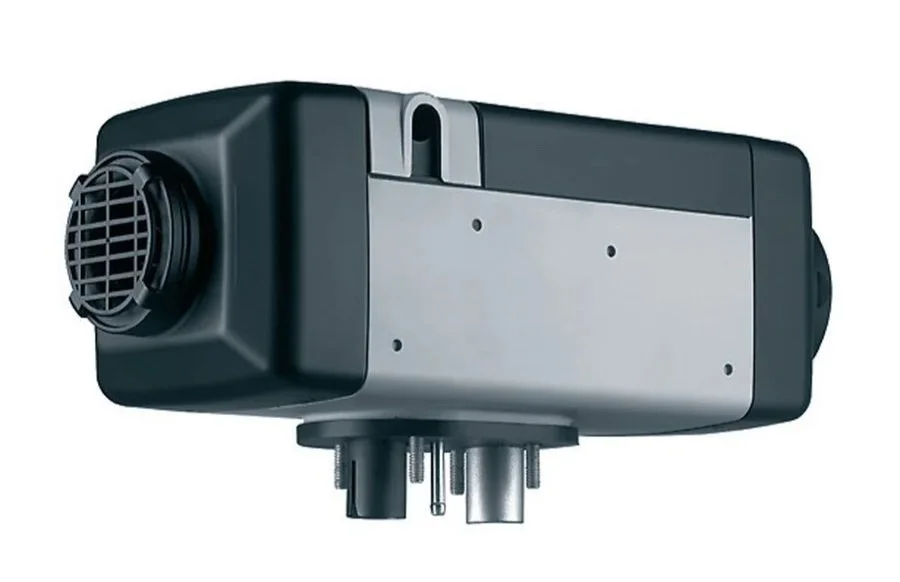
Diesel Heaters provide a dry heat, pulling moisture from the air in your van.
The "Floor-Up" Approach
Heat rises, which means the cold air is always going to settle on the floor. If you have a bare ply floor or lino, your feet will never be warm.
The Fix: Layering is key. Start with a base of closed-cell foam insulation under your floor, but don't stop there. Adding a thick, heavy-duty rug for the winter months provides a massive boost in comfort. It’s a simple, non-permanent fix that makes a world of difference.
Summary
Fixing a cold van isn't about buying one "magic" product. It’s about a multi-layered approach: Stop the drafts, break the thermal bridges, manage your window temperatures, and control the humidity.
Once you’ve plugged the leaks, whatever heating system you use will work far more efficiently, and you’ll finally get that full night's sleep you’ve been chasing.