Why Your Van Windows Drip in the Morning (And How to Fix It)

There is nothing quite like waking up in a stunning spot, reaching for your phone on the dashboard, and realising your hand is soaking wet.
Morning condensation is more than just a nuisance. Over time, that moisture can lead to musty smells, mould, and eventually rust behind your ply lining. To stop it, you have to understand the physics of why it’s happening in the first place.
1. The Science: The "Cold Plate" Effect
The moisture on your windows is caused by a simple temperature clash.
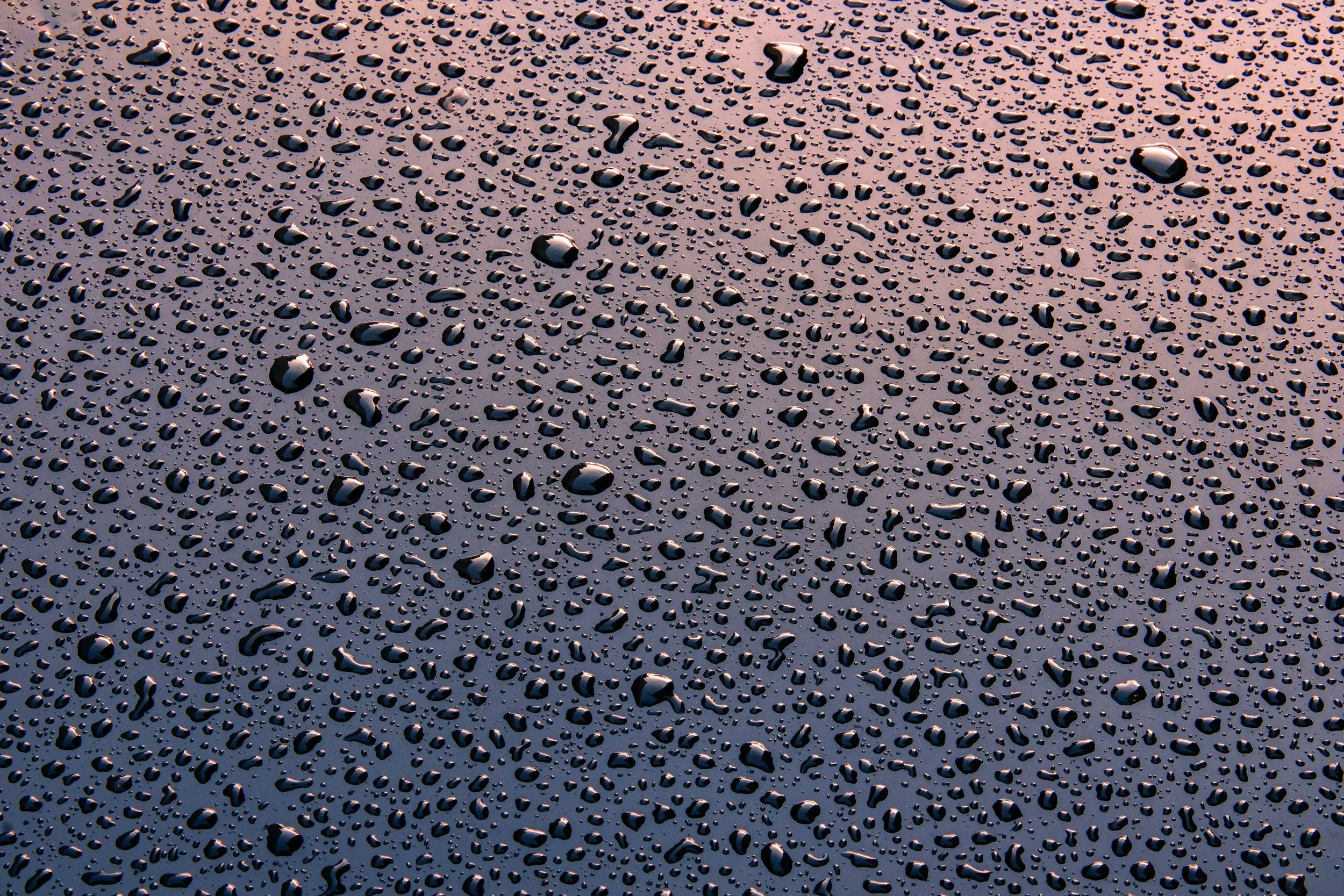
Inside your van, the air is warm and holds water vapour—mostly from your breath, your morning brew, or your damp dog. Outside, the air is cold. Your window glass acts as a "cold plate" between the two. When that warm, moist air touches the freezing glass, it cools down rapidly and can no longer hold the water as a gas. It turns back into a liquid on the surface.
2. Where is the Moisture Coming From?
It’s easy to underestimate how much water you’re adding to your van’s atmosphere:
Respiration: A single adult can exhale up to 500ml of water overnight. If there are two of you plus a pet, that is a significant amount of liquid looking for a cold surface to settle on. We know it was a lot, but this amount surprised the Kudu team too!
Cooking: Burning gas (propane or butane) releases water vapour as a by-product. If you’re boiling the kettle for a morning coffee without a vent open, you’re adding to the problem.
Wet Gear: Hanging damp coats or towels inside the living area allows that water to evaporate into the air, only to condense on the windows later.
3. How to Prevent Condensation
Control the Glass Temperature
The most effective way to stop condensation is to prevent the glass from becoming a cold surface.
This is where external thermal screen covers are a game-changer. Most internal blinds leave a small air gap between the blind and the window. The glass still gets freezing cold, and the moisture in that gap condenses against the pane. By wrapping the outside of your windscreen, you keep the temperature of the glass much closer to the interior temperature, removing the "cold plate" that causes the drips.
Create an Exit Route (Ventilation)
It might feel counterintuitive to let cold air in when you’re trying to stay warm, but you must have airflow to move the moist air out.
The Chimney Effect: Cracking a front window slightly while leaving a roof vent open creates a natural flow that carries humid air out of the van before it can settle.
Wind Deflectors: These are a good add on for UK camping. They allow you to leave your cab windows open an inch or two for ventilation without letting the rain in.
Use Dry Heat Sources
If you use a portable gas heater (like a "Buddy" heater), you are actually pumping moisture into the air as the gas burns. A diesel heater provides "dry" heat. It draws fresh air from outside, heats it, and blows it into the van, which helps to lower the overall humidity levels inside.

Comparison: Prevention Methods
| Method | Effectiveness | Why it works |
|---|---|---|
| External Thermal Screen Covers | Very High | Stops the glass from getting cold enough to cause condensation. |
| Roof Vents / Maxxfan | High | Actively removes moist air from the living space. |
| Internal Thermal Blinds | Medium | Provides privacy but can trap moisture against the glass. |
| Dehumidifier Bags | Low | seful for storage, but cannot handle the moisture from human breath. |
4. Practical Morning Habits
Even with the best gear, a little moisture is sometimes inevitable in a small space. Here is how to manage it:
Wipe the glass early: Use a microfibre cloth or a window vac as soon as you wake up. This prevents the water from running down into your dashboard electronics or door cards.
Storage: Keep wet boots and coats in a sealed plastic tub or in the "garage" area under the bed to keep that moisture out of the main cabin.
Aerate the van: Open the side door for five minutes every morning to completely "dump" the humid air and replace it with fresh, dry air.

Summary
You’ll never eliminate 100% of moisture in a campervan—it's basic physics. However, by combining external insulation to keep the glass warm and proper ventilation to let the moisture escape, you can wake up to a dry van and a clear view of the road ahead.